
In today’s world of digital marketing, retargeting is a key element of driving conversions and boosting ROI. But as the digital landscape shifts towards privacy-first policies and the cookieless future looms large, many marketers are left wondering how to adapt their retargeting strategies. With major browsers like Google Chrome, Safari, and Firefox tightening privacy controls, tracking users through cookies is becoming a thing of the past. This presents a significant challenge, but it also opens up new opportunities for performance marketers and digital advertisers to innovate and stay ahead.
At Seven Koncepts, our team of experts has been closely monitoring these changes, and developed a roadmap of businesses to continue their retargeting efforts in this cookieless era. So, let's dive into how you can still succeed in retargeting without relying on cookies and what steps you can take to stay relevant in the evolving world of online marketing.
Understanding the Cookieless Shift
Before we dive into solutions, it’s important to first understand the problem. Retargeting, at its core, relies heavily on the use of cookies to track user behavior across websites and ad platforms. Cookies allow advertisers to serve personalized ads based on the user’s browsing history, interests, and actions. However, as consumer privacy concerns grow and laws like GDPR and CCPA push for more transparency and control over personal data, major companies like Google and Apple have moved towards eliminating third-party cookies.
This means traditional retargeting strategies are no longer as effective. As a performance marketer, you must adapt to this cookieless world or risk falling behind. The good news is that there are still several ways to engage your audience and optimize your online advertising efforts without relying on cookies.
Strategies for Retargeting in a Cookieless Era
Here are some strategies that can help you continue to succeed in your retargeting campaigns:
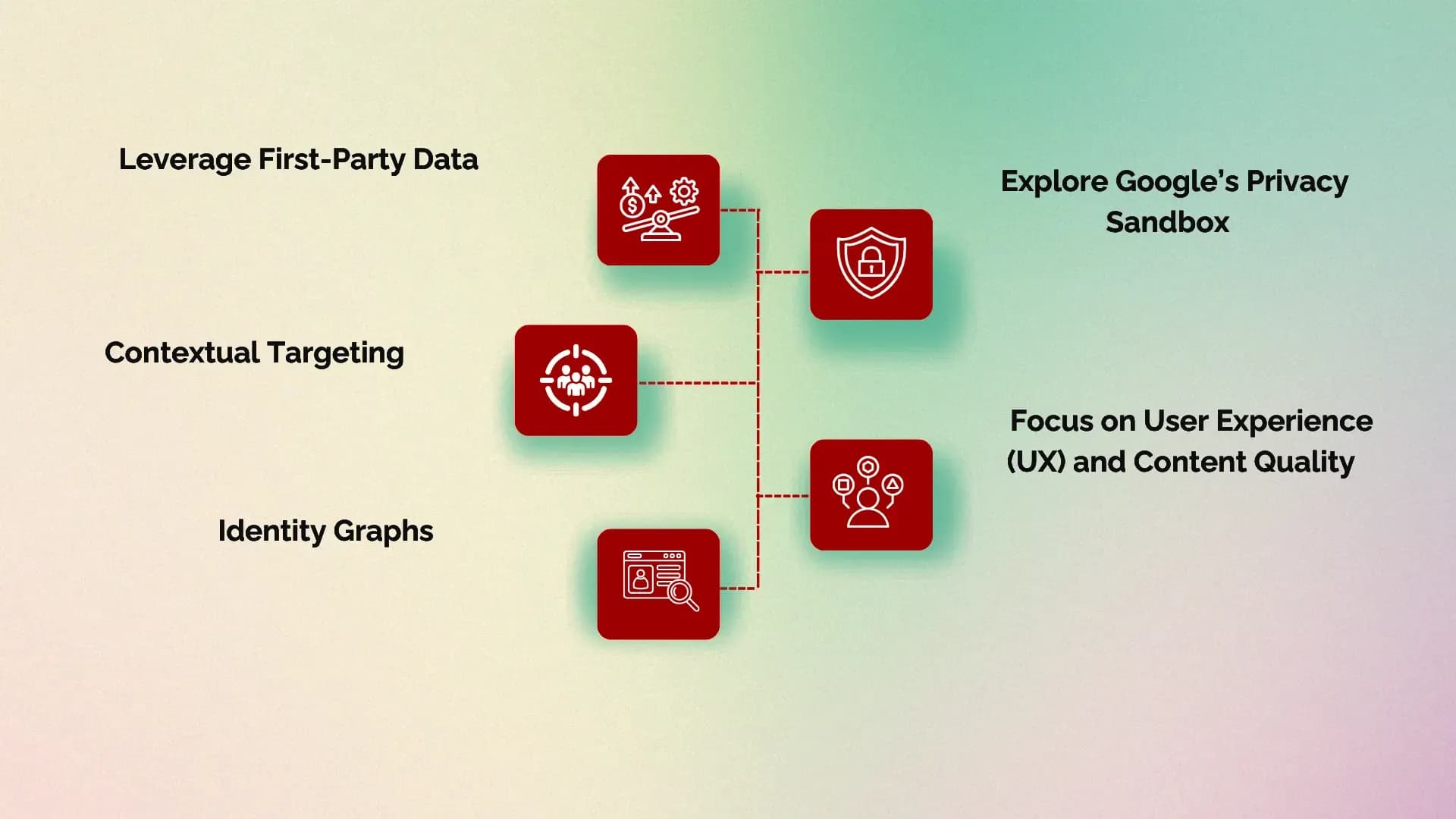
1. Leverage First-Party Data
One of the most powerful tools available to marketers in a cookieless world is first-party data. First-party data is information that you collect directly from your customers or website visitors. This includes data like email addresses, transaction history, and website interactions. Because this data is collected with explicit consent, it’s both reliable and privacy-friendly.
How to use it:
-
Email lists for retargeting: Upload your customer emails to platforms like Google Ads or Facebook Ads to target users who have already shown interest in your business.
-
Segmentation: Use your first-party data to segment your audience based on their behaviors, preferences, and interactions with your brand. This will help you create personalized, relevant ad campaigns.
Experts at Seven Koncepts emphasize that building a strong first-party data framework is the most sustainable ways to future-proof your performance marketing strategy. By prioritizing this data, you're not only complying with privacy laws, but you're also creating more meaningful connections with your audience.
2. Contextual Targeting
Another alternative to cookie-based tracking is contextual targeting. This strategy involves serving ads based on the content of the page the user is currently viewing, rather than their previous browsing history. By analyzing the context of a webpage such as keywords, topics, and page structure- advertisers can serve relevant ads to users without needing to track them across multiple sites.
How to use it:
-
Target ads based on relevant content: For example, if a user is reading a blog about digital marketing, you could show them ads related to online advertising tools or marketing strategy.
-
AI-powered contextual targeting: Advanced AI tools can help you understand the context of content in real-time and deliver more accurate ads, ensuring that your message is seen by the right audience.
While contextual targeting doesn't rely on cookies, it can still deliver strong performance when executed strategically. This is one area where a digital marketing agency, like Seven Koncepts, can help businesses refine their approach, ensuring that ads are shown to the right people in the right context.
3. Identity Graphs
An identity graph is a system that helps marketers recognize the same useracross different devices and platforms without using cookies. It collects and connects bits of data (like email, phone number, app activity, website visits, etc.) from different sources to create a single, complete picture of a person. So even if someone uses their laptop, phone, or tablet, the identity graph connects those interactions back to the same user.
How to use it:
-
Cross-device tracking: You can see how one person interacts with your brand on different devices (for example, browsing your website on their phone and later making a purchase on their laptop).
-
Omnichannel campaigns: Since you have a full view of the customer, you can show them consistent, personalized messages across platforms like social media, email, and your website to create a smooth, connected experience.
At Seven Koncepts, our team is excited about the potential of identity graphs. We believe they provide a privacy-compliant way to retarget users based on rich, accurate profiles, rather than relying on cookies to track them across the web.
4. Explore Google’s Privacy Sandbox
Google has rolled out the Privacy Sandbox, a set of tools that aims to protect user privacy while still enabling advertisers to run effective campaigns. This initiative is designed to replace third-party cookies with privacy-preserving alternatives, allowing advertisers to continue retargeting without infringing on user privacy.
How to use it:
-
FLoC (Federated Learning of Cohorts): FLoC groups people with similar interests together, allowing advertisers to target groups of users rather than individuals.
-
Conversions API: This API helps businesses track conversions without relying on cookies by sending data directly from their website to the ad platform.
Google’s Privacy Sandbox is still evolving, but it offers a promising way for advertisers to stay effective while honoring user privacy. Keep an eye on these updates to stay ahead of the curve.
5. Focus on User Experience (UX) and Content Quality
Without cookies, advertisers must double down on creating valuable, engaging content that encourages users to interact with their brand directly. By offering exceptional user experiences, personalized content, and seamless website navigation, you can build trust with your audience and increase the chances of conversion.
How to use it:
-
Content personalization: Tailor your website content based on what you know about your customers, whether it’s through first-party data or user surveys.
-
User-friendly website design: Make it easy for visitors to find what they’re looking for and ensure that your website is optimized for all devices.
When you prioritize content quality and UX, users are more likely to return organically - reducing the need for cookie-based tracking altogether.
The Role of a Performance Marketer in a Cookieless World
In a cookieless world, performance marketers will need to adapt quickly. It’s no longer just about tracking users across websites and serving personalized ads. The focus has shifted to creating strong, permission-based relationships with customers and leveraging privacy-first technologies.
As a performance marketer, your job is to stay ahead of the curve, explore new technologies, and experiment with different retargeting strategies. Whether it’s building a solid first-party data strategy, embracing contextual targeting, or leveraging privacy-compliant tools like the Privacy Sandbox, there are still plenty of ways to thrive.
We always advise businesses to view this transition as an opportunity to refine and optimize their marketing strategy. The cookieless future may feel like a challenge, but with the right approach, it can lead to better customer relationships and more sustainable marketing practices.
Why Choose Seven Koncepts?
At Seven Koncepts, we understand the challenges that come with adapting to a cookieless world. As a leading digital marketing agency, we help brands create future-proof digital advertising strategies that prioritize privacy while still driving results. Whether you're refining your retargeting tactics or exploring new, privcay-compliant engagement methods, our experts are here to help.
Ready to Stay Ahead of the Cookieless Curve?
The world of online advertising is changing, and it’s up to you to adapt. With Seven Koncepts by your side, you can navigate the complexities of retargeting in a cookieless world and continue to drive success for your brand. Contact us today to learn more about how we can help you craft a marketing strategy that works in this new digital landscape.
FAQs
1. What is retargeting in digital marketing?
Retargeting is a form of online advertising that targets users who have already interacted with your brand or website. It’s a way to remind them about your product or service and encourage them to complete a purchase or other desired action. Traditionally, this was done using cookies to track user behavior across websites.
2. What does a cookieless future mean for marketers?
A cookieless future refers to the shift away from third-party cookies used by websites and advertisers to track user behavior. This change is driven by privacy regulations and a growing emphasis on protecting personal data. In a cookieless environment, marketers can no longer rely on cookies to track and retarget users across multiple websites.
3. How can I continue to retarget users without cookies?
There are several alternatives to cookie-based retargeting:
- First-party data: Use the information you collect directly from your customers, such as email addresses or transaction history.
- Contextual targeting: Serve ads based on the content a user is viewing rather than their past behavior.
- Identity graphs: Connect data from multiple touchpoints to create a comprehensive user profile for targeting.
- Privacy-first tools: Explore tools like Google’s Privacy Sandbox, which is designed to replace cookies while still allowing for effective ad targeting.
4. What is first-party data and why is it important in a cookieless world?
First-party data is any informationyou collect directly from your customers or website visitors, such as email addresses, account details, and browsing behavior on your own website. This data is crucial in a cookieless world because it’s privacy-compliant and allows you to engage users without relying on third-party cookies.
5. Can I still run successful retargeting campaigns without cookies?
Yes, you can! While cookies have traditionally been a key component of retargeting, there are still many ways to run effective campaigns in a cookieless world. By using strategies like first-party data, contextual targeting, and privacy-compliant technologies, you can continue engaging your audience and driving conversions.