
Are your ads driving traffic, but you're still struggling to see meaningful growth? You’re not alone. Many businesses hit a roadblock when they try to scale their advertising campaigns. This challenge is often due to what we call the Performance-Brand Gap- a disconnect between performance-driven advertising and brand-building strategies.
Partnering with a digital marketing agency offering complete solutions can help bridge this gap effectively, aligning immediate results with long-term brand growth.
What Is the Performance-Brand Gap?
The Performance-Brand Gap describes the tension between two types of advertising approaches: performance-driven and brand-building. While both are essential for a successful marketing strategy, they often operate in silos, which can create challenges when trying to scale your ads.
-
Performance-driven advertising is all about immediate results. Think of PPC (pay-per-click ads) or campaigns designed to boost conversions or drive leads. These ads are optimized for quick wins: clicks, sales, sign-ups - basically, actions that can be directly measured and attributed to the campaign.
-
Brand-building ads, on the other hand, focus on the long-term. These ads don’t necessarily drive immediate actions but are crucial for establishing your brand’s identity, building trust, and fostering long-term relationships with your audience.
The Performance-Brand Gap occurs when businesses focus too much on performance-based tactics and neglect the broader picture of brand-building. When this happens, scaling becomes difficult. You may see initial success with performance ads, but the growth starts to plateau because your brand isn’t being nurtured in a way that creates sustained consumer loyalty.
Why Performance Ads Don’t Scale
Performance ads can certainly bring in short-term results, but there’s a catch, they often lack the deeper connection with consumers that brand-building strategies provide. This means that even if your ads are converting today, they may not keep the momentum going in the long run.
Here’s why performance ads alone can struggle to scale:
1. Over-Reliance on Immediate Conversions
Performance ads are designed to achieve quick results. But scaling these results without the support of a strong brand identity can lead to diminishing returns. Ads that focus purely on immediate conversions might capture attention, but they don’t nurture the consumer's relationship with your brand.
2. Brand Consistency is Lacking
Consistency is key in branding. When you focus only on performance, your message may vary across different channels or ad formats. This inconsistency can confuse potential customers and make it harder for them to form a connection with your brand.
3. Ignoring Long-Term Strategy
Focusing too much on immediate performance can mean neglecting long-term marketing efforts, like brand awareness and loyalty-building strategies. Without a solid brand strategy, scaling is like building a house on a shaky foundation, it’s hard to sustain growth over time.
Closing the Performance-Brand Gap: What You Can Do
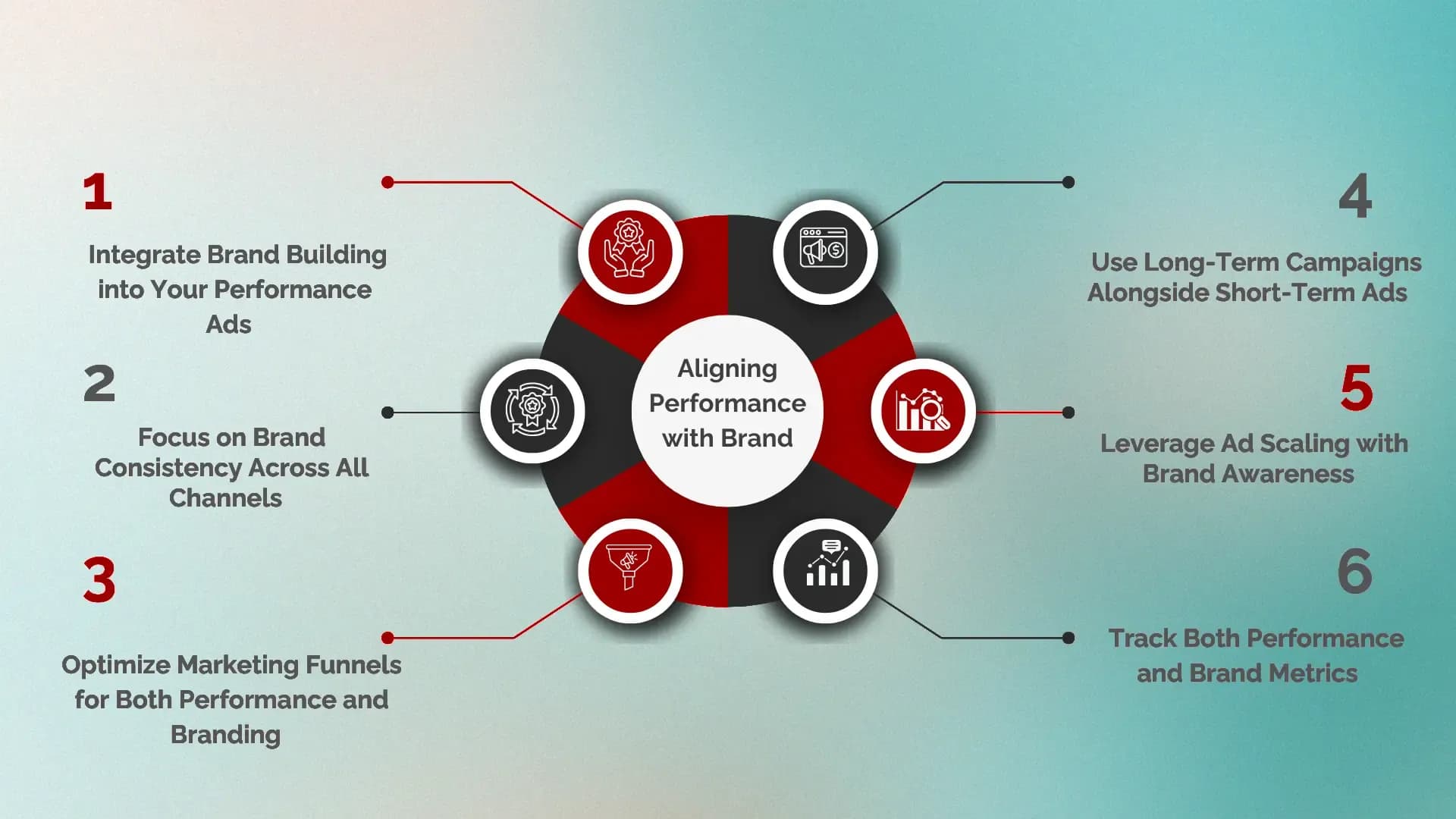
So, how do you fix the Performance-Brand Gap? Here are some strategies that can help you align performance marketing with brand-building efforts:
1. Integrate Brand Building into Your Performance Ads
Instead of treating brand-building and performance marketing as separate entities, integrate them. You can still run performance-driven ads, but they should also serve to communicate your brand values and identity. Branding agency experts at Seven Koncepts emphasize that it's important to build brand recognition while driving conversions. For example, your ads should highlight your unique value proposition and include elements that reinforce your brand’s visual identity, like logos, taglines, and consistent messaging.
2. Focus on Brand Consistency Across All Channels
Brand consistency is crucial for creating a cohesive experience across every touchpoint. Whether it’s your PPC ads, social media posts, or email marketing campaigns, your message, tone, and design should all align. When customers see consistent messaging and visuals across different platforms, they begin to trust your brand and are more likely to convert.
3. Optimize Marketing Funnels for Both Performance and Branding
A well-optimized marketing funnel can drive conversions while also supporting your brand-building efforts. For example, you can create a funnel that introduces your brand through content that educates or entertains before guiding users to make a purchase. As a digital marketing agency, we recommend structuring your funnel so that each stage supports both performance goals and brand-building objectives.
4. Use Long-Term Campaigns Alongside Short-Term Ads
While performance ads like PPC campaigns deliver quick results, brand-building ads (e.g., display ads or video ads) work best when they are part of long-term campaigns. A mix of short-term performance campaigns and long-term brand campaigns ensures you're building awareness and driving conversions at the same time.
5. Leverage Ad Scaling with Brand Awareness
Ad scaling is important for reaching larger audiences, but it needs to be backed by solid brand awareness. When you scale ads without considering how your brand is perceived, you risk creating a fragmented customer experience. To scale effectively, ensure that your ads speak to both immediate needs (performance) and long-term relationships (brand-building).
6. Track Both Performance and Brand Metrics
It's essential to track more than just your conversion rates. Metrics like brand recall, sentiment analysis, and social shares help you gauge your brand's impact over time. Combine these brand metrics with traditional performance data like CTR (click-through rate) and ROI to get a comprehensive view of your advertising success.
The Role of Conversion Optimization in Bridging the Gap
To effectively scale your ads, conversion optimization plays a key role. While performance ads can drive traffic, conversion optimization ensures that those visitors turn into customers. Whether you're using dedicated landing pages or tailored CTAs (call-to-action), optimizing every step of the conversion process will help you bridge the gap between performance and brand-building.
Here are some effective conversion optimization tactics:
- Personalized User Experience: Tailor your landing pages and ads to the specific needs and preferences of your audience. Personalized experiences lead to higher conversion rates and a better customer connection to your brand.
- A/B Testing: Regularly test different versions of your ads, CTAs, and landing pages to see what resonates best with your audience.
- Social Proof: Include testimonials, case studies, or user-generated content to build trust and credibility.
Conclusion: Achieving Scalable Growth with a Balanced Approach
The Performance-Brand Gap is a common challenge many businesses face when trying to scale their marketing efforts. By balancing performance marketing with brand-building strategies, you can create a more sustainable and effective approach to advertising. It’s about aligning your immediate goals with your long-term brand vision.
At Seven Koncepts, we specialize in creating digital marketing strategies that not only drive performance but also build lasting brand equity. As a leading digital marketing agency in Pakistan, we offer complete solutions, from PPC management to brand strategy, to help businesses scale sustainably.
FAQs
1. What is the Performance-Brand Gap in advertising?
The Performance-Brand Gap refers to the disconnect between performance-driven ads, which focus on immediate results, and brand-building ads, which focus on long-term brand recognition and loyalty. When businesses focus solely on performance ads, they may struggle to scale their campaigns effectively because they neglect the importance of brand building.
2. How can I close the Performance-Brand Gap?
To close the gap, integrate brand-building elements into your performance ads, maintain brand consistency across all channels, and optimize your marketing funnel for both immediate conversions and long-term brand growth. Balancing both aspects will help you scale effectively.
3. How does conversion optimization play a role in scaling ads?
Conversion optimization ensures that the traffic driven by your ads is effectively converted into customers. By refining your landing pages, testing different CTAs, and using personalized experiences, you can improve conversion rates and build a stronger connection with your audience.
4. What is brand consistency and why is it important?
Brand consistency refers to maintaining the same message, tone, and visual style across all marketing channels. Consistent branding helps to build trust with your audience and ensures that they recognize and connect with your brand over time, making it easier to scale your marketing efforts.
5. Can performance-driven ads help with brand building?
While performance ads are designed for immediate results, they can also serve as part of your brand-building strategy if you integrate elements that reflect your brand’s identity. This way, you’re not only driving conversions but also reinforcing brand recognition.