
Packaging a digital brand for the global market is not about translating your website into another language and calling it expansion. It is about intentionally reshaping how your brand looks, sounds, and feels so it connects with audiences across cultures while still staying true to who you are. If you want to grow beyond borders, you need more than visibility. You need resonance.
As we work with brands that aim to scale internationally, one thing becomes clear: What works locally does not automatically work globally. A message that feels bold in one country might feel aggressive in another. A color that signals trust in one region could carry an entirely different meaning elsewhere. That is why packaging digital brands for the global market requires both strategy and sensitivity.
Let us break down what that really means and how to do it right.
Why Digital Brand Packaging Matters in Global Expansion
When businesses decide to expand to international markets, their focus is usually on operational aspects such as logistics, pricing, distribution and hiring. But digital brand positioning is just as important.
Your website, social media presence, digital ads, and overall online branding are often the first touchpoints global audiences experience. If your brand feels unfamiliar, confusing, or culturally disconnected, user trust dropsinstantly.
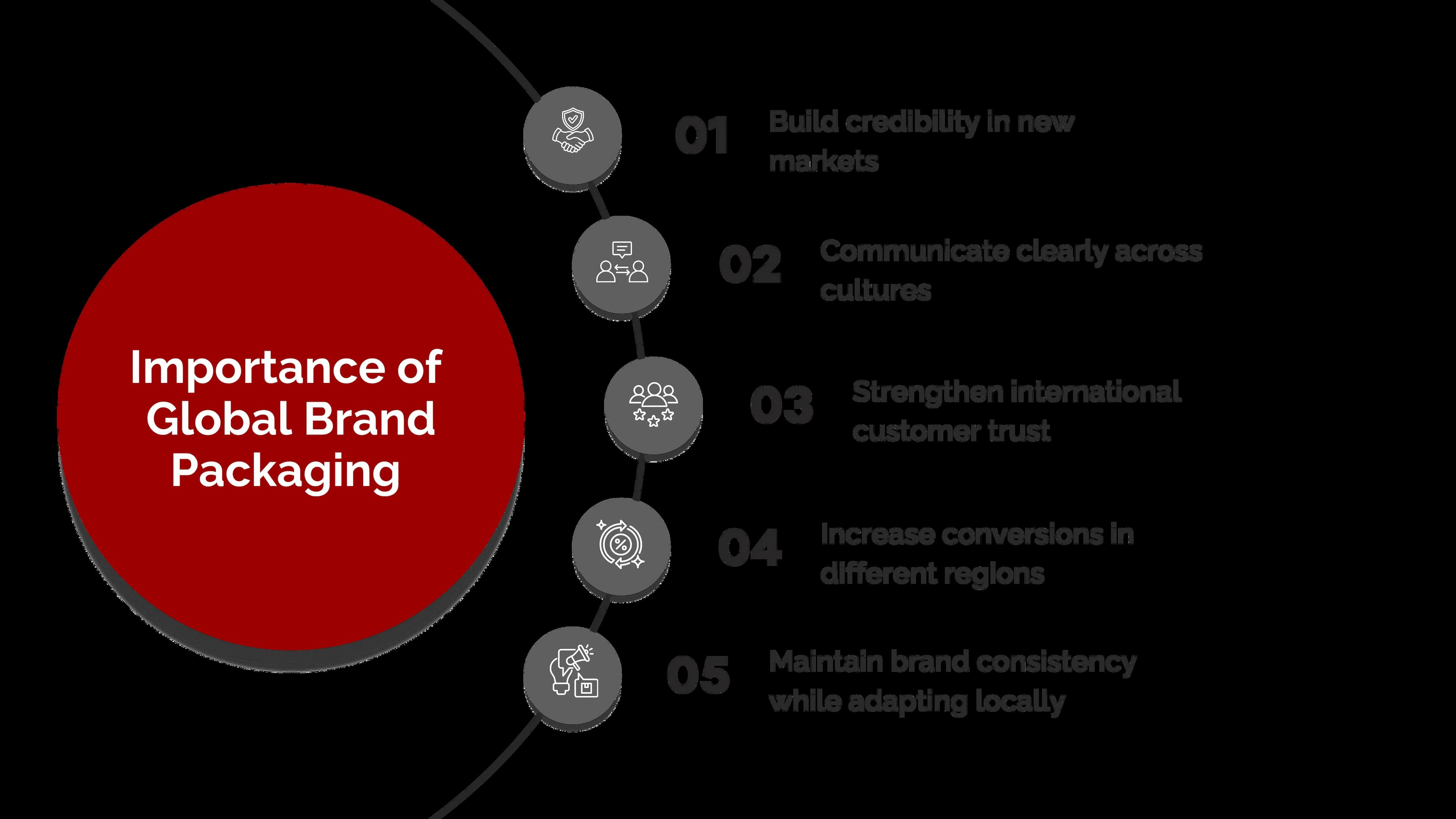
It is not about changing who you are. It is about presenting yourself in a way that makes sense to diverse audiences.
Adapting Brand Visuals for Different Markets
Visual identity is one of the most powerful components of digital branding. Colors, typography, imagery, layout, and even spacing influence how people perceive your brand.
When packaging digital brands for the global market, we always evaluate:
- Color psychology across cultures
- Font readability in different languages
- Image relevance to local audiences
- Design hierarchy based on regional user behaviour
For example, certain colors symbolize prosperity in some Asian markets but may not carry the same emotional weight in Western regions. Typography that looks sleek in English may become unreadable in languages with longer words or different scripts. You are not creating a completely new brand when adapting visuals. It means making intentional adjustments so your identity feels familiar and trustworthy in every region.
Some practical steps include:
- Testing color palettes regionally
- Adjusting imagery to reflect local diversity
- Optimizing layout for mobile usage patterns in specific countries
- Ensuring fonts support multilingual content
These small changes make a significant difference in how global audiences connect with your brand.
Cultural Nuance in Color, Typography, and Messaging
Beyond visuals, messaging plays a critical role in global brand positioning. Localization is more than translation. It is cultural adaptation.
When we package digital brands for international markets, we consider:
- Tone of voice
- Humor and idioms
- Formality levels
- Emotional triggers
- Cultural sensitivities
For instance, a casual and playful tone might work perfectly in one market but feel unprofessional in another. Even call to action phrases can perform differently depending on cultural expectations.
Effective global digital branding requires understanding:
- How different cultures interpret authority
- What motivates purchasing decisions in each region
- How trust is built in specific markets
This is where true localization becomes powerful. It allows your brand to feel native rather than foreign.
Consistency Versus Localization: Finding the Balance
One of the biggest challenges in global brand packaging is balancing consistency with localization.
You want your brand to remain recognizable worldwide. At the same time, you need flexibility to adapt to regional expectations.
So how do we manage this trade-off?
We define non negotiables and flexible elements.
Non-negotiables may include:
- Core brand values
- Primary logo
- Brand mission
- Overall positioning
Flexible elements may include:
- Localized messaging
- Region-specific imagery
- Adjusted campaign visuals
- Market-tailored promotions
This approach allows you to maintain brand integrity while still speaking directly to local audiences.
The key question we ask is simple. Does this adaptation strengthen connection without diluting identity?
If the answer is yes, it is worth implementing.
Website Optimization for a Global Audience
Your website is your global storefront. When packaging digital brands for the global market, your site must support international growth technically and strategically.
Some essential considerations include:
- Multilingual functionality
- Localized SEO strategies
- Currency and payment adaptability
- Fast loading speed across regions
- Mobile optimization for global usage patterns
Localized SEO is especially important. Ranking in one country does not guarantee visibility elsewhere. Each market has unique search behavior, keywords, and competition levels.
We often focus on:
- Researching region specific keywords
- Creating localized landing pages
- Adapting metadata for different markets
- Optimizing content for international search engines
Without these steps, your global brand might exist online but remain invisible to your target audience.
Global Asset Management Best Practices
As brands expand internationally, digital assets multiply quickly. Different campaigns, translations, region specific visuals, and localized messaging can create confusion if not managed properly.
To ensure smooth global brand operations, we recommend:
- Centralized brand guidelines
- Clear documentation for regional teams
- Version control systems for digital assets
- Shared design libraries
- Defined approval processes
Strong global asset management prevents brand fragmentation. It ensures every region operates within the same strategic framework while adapting responsibly.
This structured approach also saves time and resources, especially as your international footprint grows.
Common Mistakes Brands Make When Going Global
Many brands rush into global markets without properly packaging their digital identity. Here are some common pitfalls we often see:
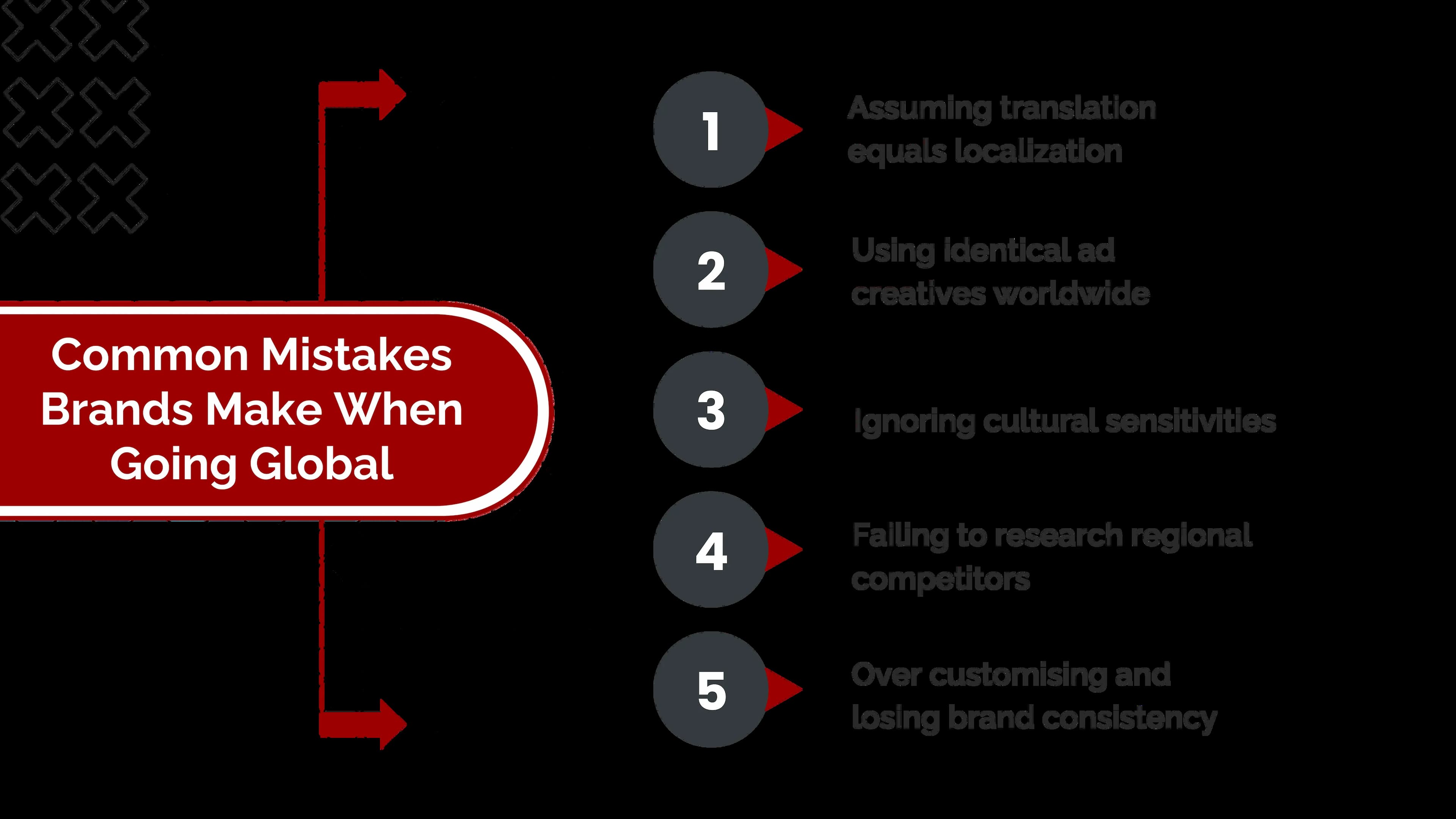
Global expansion should feel intentional, not reactive. Thoughtful digital brand positioning prevents costly mistakes and strengthens long-term growth.
Building Trust in International Markets
Trust looks different across cultures. In some regions, detailed certifications and formal communication build credibility. In others, social proof and influencer validation matter more.
When packaging digital brands for the global market, we focus on integrating trust signals that resonate locally. These may include:
- Local testimonials
- Region specific case studies
- Compliance badges
- Localized customer support options
- Transparent policies
Trust is the foundation of global brand success. Without it, even the best designed digital presence will struggle.
Why Strategic Global Branding Matters More Than Ever
The digital landscape has removed geographic barriers. Customers can discover brands from anywhere in the world. But accessibility does not guarantee connection.
Global audiences expect relevance. They expect brands to understand their context. Strategic digital brand packaging ensures your business does not just expand internationally. It integrates meaningfully into each market it enters.
When done correctly, global brand expansion increases:
- Market reach
- Revenue diversification
- Brand authority
- Competitive advantage
It positions your company as not just international, but strategically global.
Conclusion: Global Growth Starts with Smart Brand Packaging
Expanding into international markets is exciting. But without thoughtful digital brand packaging, growth can stall quickly.
Adapting visuals, respecting cultural nuance, balancing consistency with localization, and strategically managing global digital assets are all essential steps in building a strong international presence.
At Seven Koncepts, we work closely with brands to ensure their digital identity is ready for global expansion. From visual adaptation to localized SEO and strategic positioning, we help businesses scale confidently across borders without losing their core identity.
If you are planning to take your brand to the global market, let Seven Koncepts help you package it the right way. Reach out to our team and start building a digital presence that resonates worldwide.
FAQs
1. What does packaging digital brands for the global market mean?
It refers to adapting your digital brand identity, messaging, visuals, and online presence so they resonate with audiences across different countries while maintaining core brand consistency.
2. Is translation enough for global brand expansion?
No. Translation converts language, but localization adapts cultural context, tone, imagery, and messaging. Effective global branding requires localization.
3. How do we maintain brand consistency across markets?
By defining core brand elements that remain unchanged and allowing flexibility in region specific visuals, messaging, and campaigns.
4. Why is localized SEO important in global branding?
Search behavior varies by region. Localized SEO ensures your brand ranks in specific countries and reaches the right audience effectively.
5. How can Seven Koncepts help with global brand expansion?
We provide strategic guidance in digital brand positioning, localized design adaptation, global SEO implementation, and asset management to help brands expand internationally with confidence.