
Branding for multi-location businesses sounds simple on paper but becomes complex quickly in practice.. When you have multiple branches, franchises, outlets, or offices, the big question is always the same: how do we look and feel like one brand everywhere, while still connecting locally?
We’ve seen it firsthand; brands that grow quickly often lose clarity, consistency, and control. The good news is that with the right multi-location brand strategy, this problem is completely solvable and scalable.
In this blog, we’ll break down how to maintain brand consistency across locations, how to balance a central identity with local relevance, and how smart systems (and SEO) can make your brand stronger, not diluted as you expand.
Why Branding Gets Complicated for Multi-Location Businesses
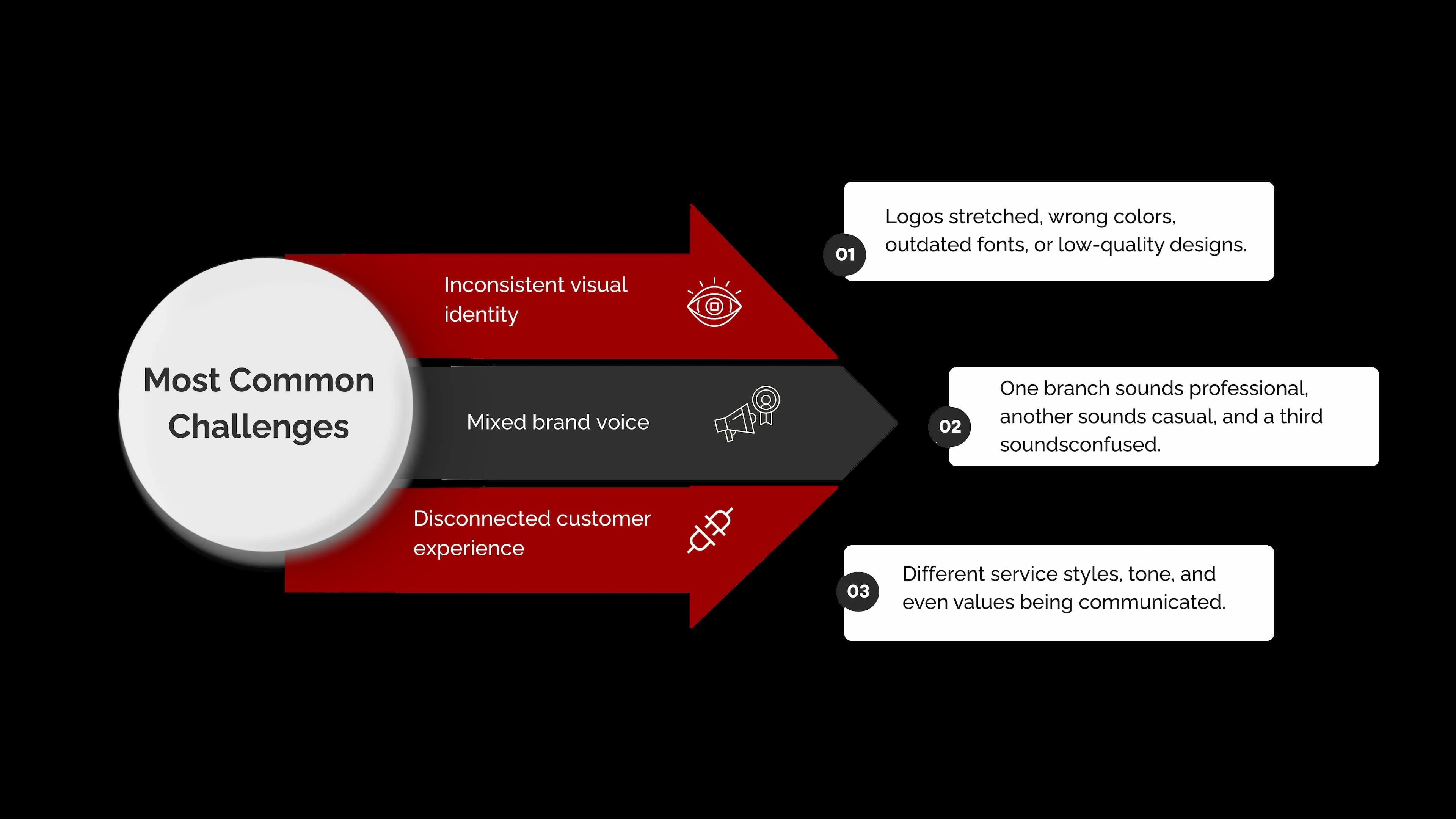
When you operate from a single location, branding is relatively straightforward. One team, one culture, one customer base. But add multiple locations, and suddenly:
- Different teams interpret the brand differently
- Visuals start drifting (logos, colors, signage, social posts)
- Messaging becomes inconsistent
- Local managers “customize” things a little too much
This is where branding for multi-location businesses becomes a strategic priority, not just a design exercise.
The Challenge of Maintaining Brand Consistency Across Branches
Brand consistency across locations is the foundation of trust. Customers should instantly recognize your brand whether they walk into your Karachi branch, Lahore outlet, or Dubai office.
Why This Matters
Inconsistent branding doesn’t just look unprofessional, it weakens your credibility. Customers subconsciously question whether they’re dealing with the same business. Strong brand management for multiple locations ensures:
- Higher brand recall
- More trust
- Easier expansion into new markets
Balancing Central Brand Identity with Local Relevance
Here’s the truth: local flexibility is not the enemy of consistency. Lack of structure is. A strong multi-location brand strategy allows room for local expression while protecting the core brand.
What Should Stay Centralized
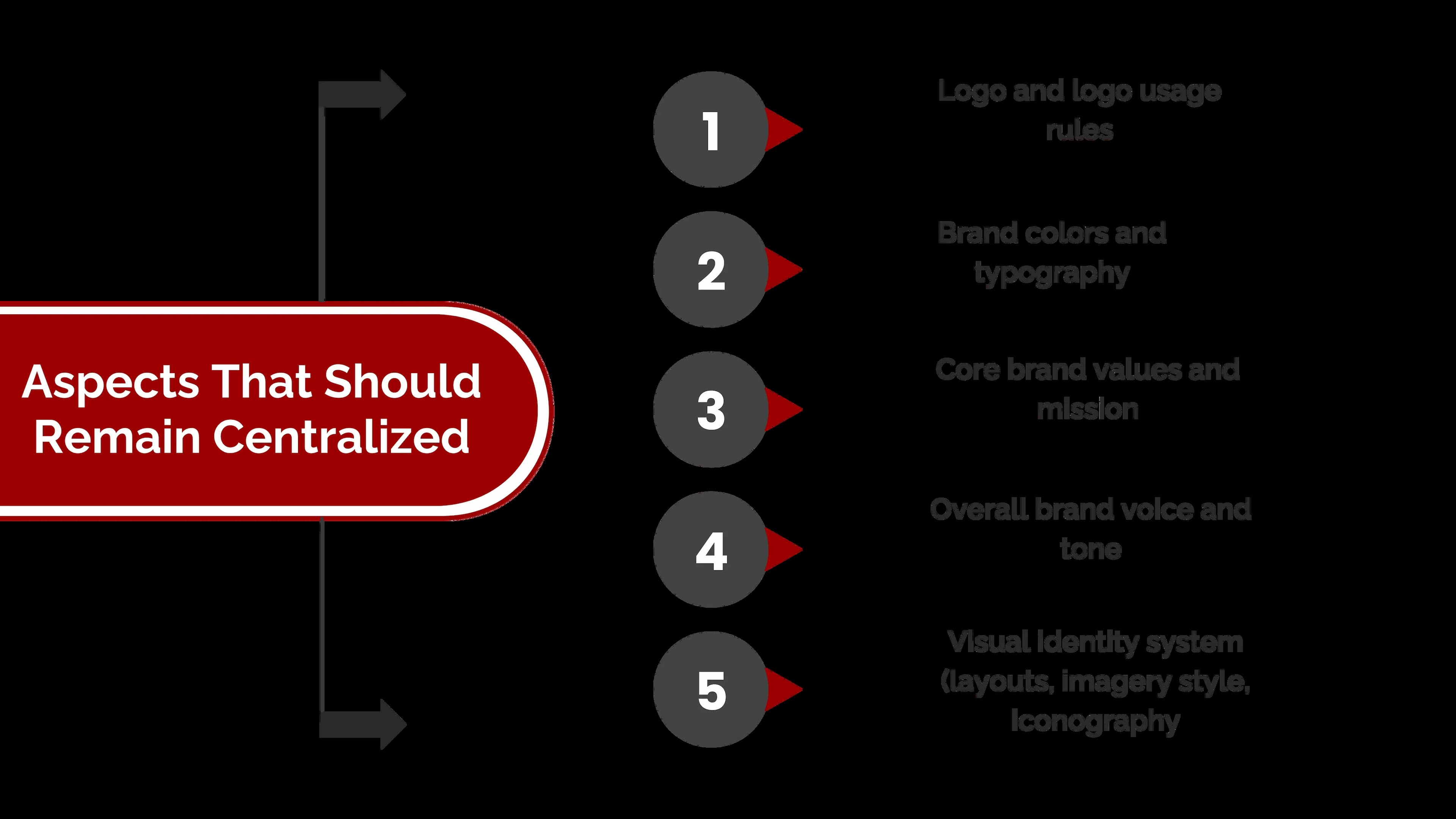
This forms the backbone of your brand.
What Can Be Localized
This is where a smart local branding strategy comes in:
- Local language or cultural references
- Region-specific campaigns or promotions
- Community involvement and local storytelling
- Location-based visuals (without breaking brand rules)
Building a Strong Visual Identity System
A visual identity system keeps teams aligned, even as the organization sgrows.
Instead of relying on “brand memory,” successful multi-location businesses operate through structured brand systems.
Your visual identity system should include:
- Logo guidelines (spacing, backgrounds, misuse examples)
- Color palettes with exact codes
- Typography hierarchy
- Social media and ad templates
- Signage and print design standards
When every location pulls from the same system, brand consistency across locations becomes automatic, not forced.
Digital Asset Management for Multi-Location Teams
One of the most overlooked parts of branding for multi-location businesses is asset control.
Without a proper system:
- Teams use old logos
- Designers recreate assets from scratch
- Files get lost or altered
The Solution: Digital Asset Management (DAM)
A DAM system is a shared, organized library where all brand assets live. It typically includes:
- Approved logos and brand files
- Marketing templates
- Photography and videos
- Campaign creatives
With proper digital asset management:
- Every location uses the latest brand assets
- Brand management for multiple locations becomes scalable
- Mistakes and inconsistencies drop dramatically
Even a simple, well-managed cloud-based folder structure can significantly reduce inconsistencies.
Using Location-Based SEO in Branding
Branding isno longer purely visual. Your local brand presence online matters just as much as physical signage.
This is where location-based SEO in branding plays a powerful role.
Why It Matters
When someone searches:
- “best clinic near me”
- “restaurant in DHA Lahore”
- “law firm in Islamabad”
Google doesn’t just look at services; it also evaluates brand signals.
Key Elements of Location-Based SEO
To strengthen your local branding strategy, focus on:
- Individual Google Business Profiles for each location
- Consistent name, address, and phone number (NAP)
- Location-specific landing pages
- Local keywords blended with brand messaging
- Reviews that reflect brand values
This approach improves discoverability while reinforcing a unified brand image.
How Starbucks Succeeded as a Multi-Location Brand
Starbucks is one of the strongest real-world examples of branding for multi-location businesses. With over 35,000 locations worldwide, the brand has mastered something most growing businesses struggle with: staying consistent while still feeling local.
1. Brand Consistency Across Locations
No matter where you are in the world, a Starbucks store looks and feels familiar. The logo, color palette, typography, packaging, and overall brand voice remain the same everywhere. This consistency builds trust and instant recognition, both essential to any multi-location brand strategy.
2. Central Identity, Local Relevance
While the core brand never changes, Starbucks adapts to local markets intelligently. Menus include region-specific flavors, store designs often reflect local culture, and community stories are highlighted in different regions. This approach strengthens their local branding strategy without diluting the brand.
3. Strong Visual Identity System
Starbucks operates with a strict visual identity system that defines how every brand element is used, from signage to social media. This ensures brand consistency across locations, even as the company scales rapidly.
Why This Works
Starbucks proves that growth doesn’t have to weaken a brand. By combining clear brand systems with thoughtful localization, they’ve built a globally recognizable yet locally trusted brand.
How We Approach Branding for Multi-Location Businesses
When we work with growing brands, we don’t just design logos. We build systems. Our focus is always on:
- Long-term scalability
- Clear brand governance
- Empowering local teams without losing control
We believe branding should simplify growth , not complicate it.
Conclusion: Growth Should Strengthen Your Brand, Not Dilute It
Branding for multi-location businesses is not about choosing between consistency and creativity. It’s about designing a system where both can coexist.
With:
- A strong visual identity system
- Clear brand guidelines
- Smart digital asset management
- A solid local branding strategy
- And location-based SEO working in your favor
You don’t just manage multiple locations, you build one powerful, recognizable brand everywhere.
Ready to Build a Brand That Scales?
If your business is expanding or already operating across multiple locations, we’d love to help you create a brand system that grows with you.
Let’s build a brand that’s consistent, recognizable, and locally powerful. Get in touch with Seven Koncepts and let’s make your multi-location brand work smarter, not harder.
FAQs
1. What is branding for multi-location businesses?
Branding for multi-location businesses is the process of maintaining a unified brand identity across multiple branches while allowing local relevance and flexibility.
2. Why is brand consistency across locations important?
Brand consistency builds trust, improves brand recall, and ensures customers have the same experience regardless of location.
3. What is a multi-location brand strategy?
A multi-location brand strategy defines what stays consistent across all locations and what can be customized locally without harming the brand.
4. How does local branding strategy help businesses?
A local branding strategy helps businesses connect with regional audiences while staying aligned with the core brand identity.
5. What role does SEO play in multi-location branding?
Location-based SEO strengthens local brand presence online, improves visibility in search results, and supports brand management for multiple locations.